What is the meeting point between digital prototyping and speculative approaches in relation to ethical concerns? 

As speculative design is currently facing other perspectives than Product Design, this essay seeks to identify these approaches in the context of Interaction Design, carefully studying the meeting points between speculative means and digital prototyping. In this way, as a case study for this research, the essay will draw upon the practical experiences gained throughout the formation, ideation and finalisation of the ‘Straw More’ project. In addition, this paper seeks to relate all of the findings to ethical questions, analysing to which extent these concerns are achieved or overlooked.  

As speculative design is currently facing other perspectives than Product Design, this essay seeks to identify these approaches in the context of Interaction Design, carefully studying the meeting points between speculative means and digital prototypes. In this way, the essay will draw upon not only related literature sources, but also upon the practical experiences gained throughout the formation, ideation and finalisation of the ‘Strawmore’ project. Regarded as a relevant case study for the question in place, most of the arguments will be connected to decisions and lessons gained throughout the design practice. In addition, this paper seeks to relate all of the findings to ethical questions, analysing to which extent these concerns are achieved or overlooked. When discussing ethical implications a parallel between the main case study and a supplementary speculative design project is drawn.  

According to Auger, 2010; Dunne and Raby, 2013 and Malpass 2013, speculative design is a specific form of critical design practice that has developed to focus on socio-scientific and socio-technical concerns. As an integrated approach in speculative design (Malpass, 2013), design fiction is the method used by designers in order to hypothesize and generate discussion over a wide variety of topics, using highly imaginative and conceptual approaches, most of the times on the edge of science and science fiction. Over the last few years, this method of designing has gained a high popularity amongst creatives, allowing themselves to experiment, explore and form concepts that draw a common line between art, design and science. According to Lim, Stolterman and Teneberg, 2008, a differentiation between prototypes and prototyping is highly needed in order to understand the process. In this way, prototypes define the materialisation and concretisation of design ideas, whereas prototyping represents the series of activities carried out by the designers in order to achieve these forms, physical or digital. This essay is considering only digital means of prototyping, encompassing any techniques that involve the use of software and that are realised in the virtual space.  

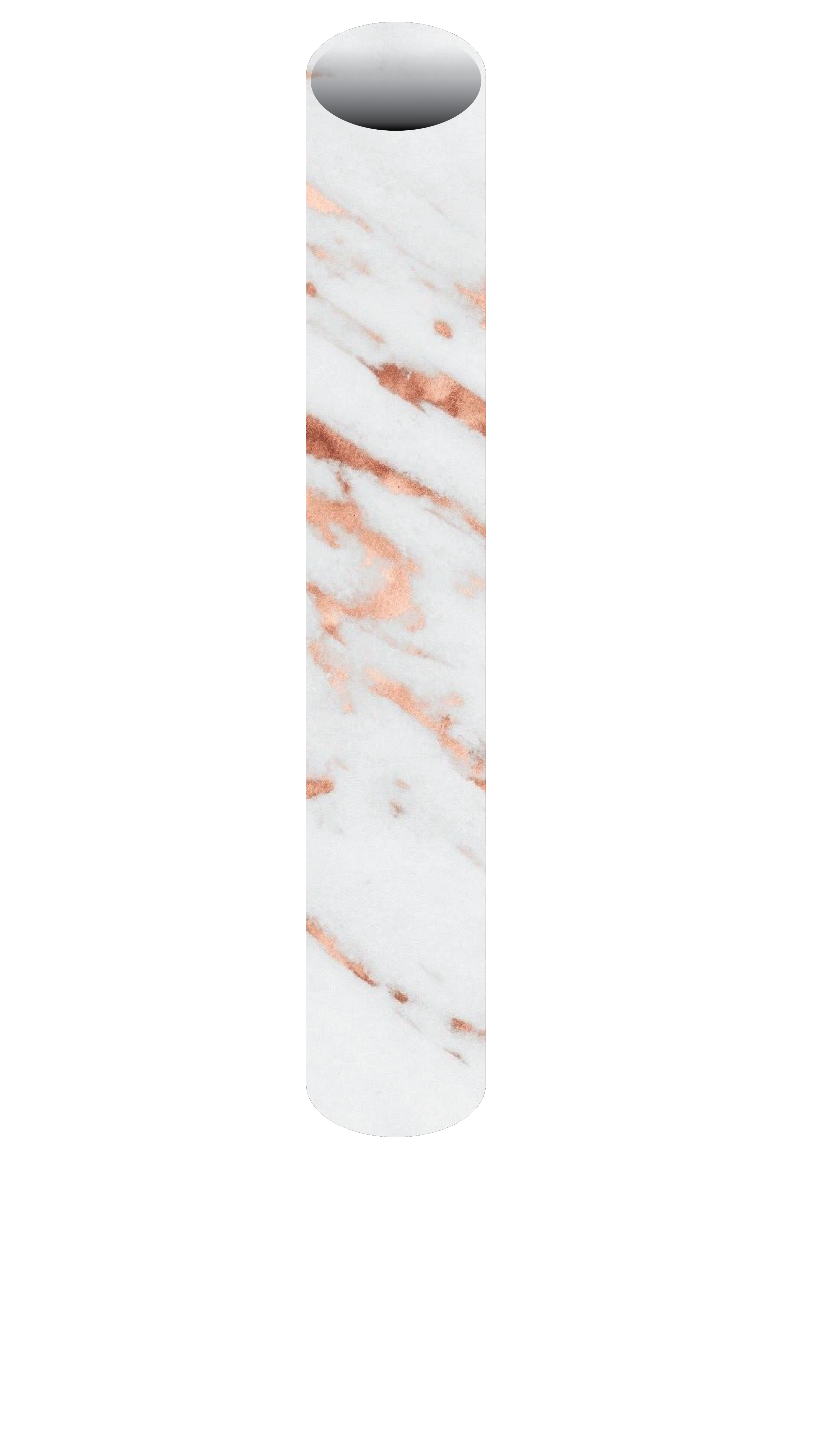
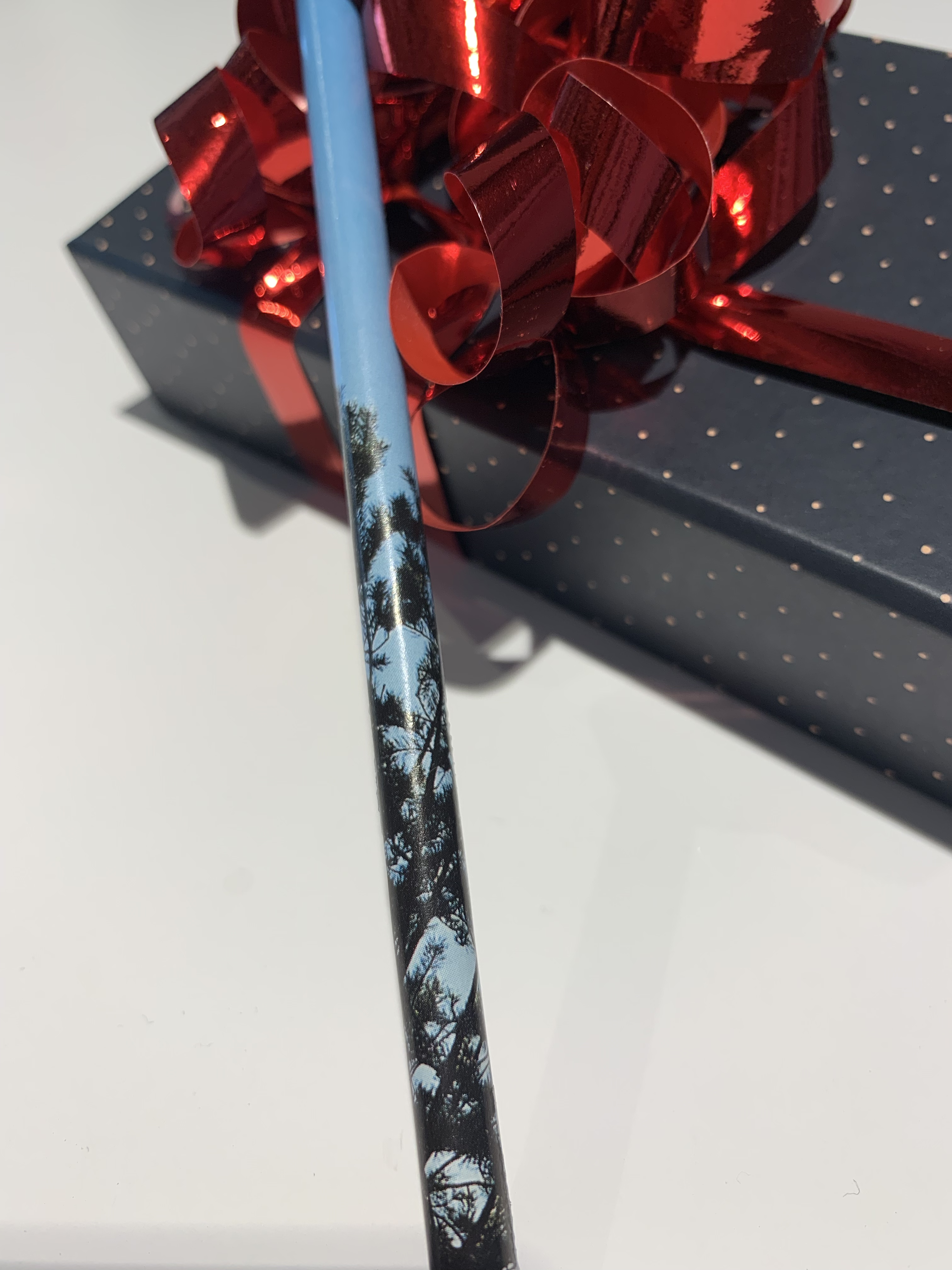
Design fiction represents a new opportunity for designers to create awareness and start discussion over crucial topics that have already exploit the possibilities of informational design and not only. ‘Strawmore’, as a speculative design project, engages with the globally recognised topic of single-use plastic, in particular with the usage of plastic straws that have a direct effect on marine life and subsequently on the climate change phenomenon. Rejecting the success rate, in the existing conditions, of raising awareness through informational design methods, the project explores the possibilities of speculative design as an approach to start discussion among the users of plastic straws. Thus, a new world is portrayed where the object gains extensive value and it becomes an asset in the user’s social image. The project imagines a new reality where people are actively interested in purchasing and showcasing their straw as an inseparable element in one’s daily activities. Produced from highly resistant materials such as titanium, gold, silver and even animal skin, ‘Strawmore’ manages to raise the ethical questions attached to the topic. It is even ethical to discuss such matters? Why imagine such scenarios in the first place, instead of focusing on the actual and the solution? Does it really create constructive discussion or does it only open the mind towards the negative and careless consideration? 

Design fiction presents the advantage of releasing the designer of the limitations of commercial design (Malpass, 2016) and allowing space for the imagination. However, in order to accommodate this practice into finalised products, it is highly necessary to employ prototyping techniques. In this way, digital prototyping offers a wide spectrum of visualisation opportunities for the desired topic. ‘Straw more’ applies digital methods such as 3D visualisation, photo manipulation and video production. However, it is still arguable if the same effects can be achieved only through physical prototyping, but the project represents a good example of the extent to which speculative approaches can be taken when depicted through digital techniques. Moreover, in this case study, digital prototyping brings realistic value by offering the possibility of showcasing the concept in a pragmatic way. Portrayed in the digital form of a shop where users are able to purchase their own personalised straw, the project breaks down the fictional through realistic looks and offers a gradual immersion in the imagined world of titanium and animal skin straws.  

Offering form to these design ideas employs the use of digital techniques, therefore involves the common act of prototyping carried out by designers. In a commercial scenario, these series of activities usually become iterative, observational, with the scope of producing the best version of the artefact, which at the same time encompasses the initial design decisions of function and use. Several sessions of user testing are applied in order to accommodate, as much as possible, the realistic interaction in the designed scenario. While this manifestation and concretisation of the abstract through prototyping techniques and activities still apply to speculative design, the actual functionality of it, can and will remain abstract in most of the cases as during speculative design practice the goal is not the create something functional, but to simulate the idea in its context. In this way, the release from technical implications offers an even wider space for creation.  

Therefore, considering digital prototyping as a space that brings about realism and an unrestricted space for the creation of speculative designs, the meeting point between the two becomes almost invisible, but at the same time highly logical. In this matter, ethical concerns must remain the centre of the topic. Ethics as a strongly connected aspect of every design practice, dwell mainly within the moral and creative implications of proposed projects. In the context of speculative design, the designer breaks the boundaries of these implications by formulating concepts usually around highly sensible societal or humanistic topics. ‘Dawn Chorus’ is a concept that portrays an intelligent birdfeeder that uses behaviourist training to teach local songbirds the owner’s favourite songs (Gaver, 2000). Even though, the design practice in itself looks for exploration within the possibilities of artificial intelligence, the application of this potential can raise ethical concerns. To which extent is it righteous to alter a sentient’s being way of behaving to one’s liking? To the same extent, ‘Straw more’ seeks to raise awareness within a topic by using the behavioural patterns that are actually causing the issues and it does go to larger extent by involving sensitive elements such as straws produced from animal skin. Therefore, it is considered that speculative design presents an unlimited freedom compared to other design practices, however it must not overlook the effects of visual representation and integrated elements that are highly disapproved amongst contemporary opinions. In this way, it can also be stated that this practice will always be linked to ethical criticism if not designed in the right boundaries. Considering all of the above, it is highly important for the designer to understand which are the right boundaries when designing with fiction and speculating about future probabilities. One of the main advantages of this practice is the possibility of imagining new realities and opening the mind to new probabilities and most of the concepts hold within in-built values, even though they are portrayed most of the times through reversed psychology or assigning different use to known notions.  

All in all, in the case study presented, it is easy to identify the meeting point between speculative approaches and digital prototyping and to define this space as highly unregulated by technical or usability concerns. At the same time, it is easily recognisable the permanent presence of ethical implications when working within this area. As described above, when compared to commercial design practice, a freedom of creation is determined within speculative design, characterised through elements such as highly conceptual and highly imaginative, no requirements for active functional or perfect usability and last, but not least the opportunity to provoke and start discussion over a wide range of topics. This high level of freedom that is placed in the hands of the designer, however, must at all times be questioned by the ethical concerns present in every design practice. It is almost a sensus communis that through design we help improve the environment around and the way we shape this space must not be overlooked. This essay identifies the value in challenging the viewer’s perception and way of thinking about the future, while it also identifies the need of always designing in relation to ethical concerns.  Considering all these, it feels almost natural for digital prototyping to enter the space of speculative design, the meeting point between the two concepts becoming the desire to create in new ways, not bound by past and traditional convictions. It is an approach that is forming shape as we discuss, but which will find its place in the traditional ways of designing for people. 

References 

Gaver, B. & Martin. H. (2000). Alternatives: Exploring information appliances through conceptual design proposals. CHI Letters, 2(1), 209 – 216. ACM Press.  

Malpass, M. (2016). Critical Design Practice: Theoretical perspectives and methods of engagement. Design Journal, 19(3), 473 – 489. 

Lim, Youn-kyung & Stolterman, Erik & Tenenberg, Josh. (2008). The anatomy of prototypes: Prototypes as filters, prototypes as manifestations of design ideas. ACM Trans. Comput.-Hum. Interact. 15. 

Strawmore [Scholarly project]. (2019, May 28). In Strawmore. Retrieved from https://fghadir.wixsite.com/strawmore 

Presentation and Manifesto

After updating the website with the new material, we all felt the improvement and I was quite content with the final result. We had the chance of combining physical and digital prototyping, 3d visualisation and photo manipulation, photography and video mediums. The testimonials page has a highly realistic feeling after adding some real content and the unboxing video. Veronika took the task of conducting some user testing while we all finished the presentation and website, as such I did not have the opportunity to engage so much with others than my own team members regarding this prototype.

We have decided to create the report as an integrated page in our website and define it as “manifesto”. We included information about the product, materials and the outcomes of this full design practice.

https://fghadir.wixsite.com/strawmore/blank-page

Last retouches

Being faced with little time left and an overall negative feedback from our last supervision, we have decided to list down everything else that was in high need of attention:

  1. Updated logo
  2. Visuals for the landing page and about section
  3. Testimonials page
  4. Finishing up the report page

Veronika shared some photography from her personal archive that we decided to use for the overall look. Me and Cathrine had previously looked in making some 3d visualisation of straws and we decided to photoshop those in the current photography. (I have introduced Catherine to Sketch, showed her main actions and some workarounds and she finished up some visualisation while I went back to organising the web shop)

I took the task of photo manipulation for the home page. Final looks:

Initial materials

Further tasks

Mainly I have been working with the layout of the website and the web shop page, it took a great deal of time to edit each individual photo and organise them in the online shop. I have added an extra product “straw holder” that showcases a travel box. The last product of the selection is a fully customisable straw displayed through the Strawmore logo.

Image

Combining physical and digital prototyping

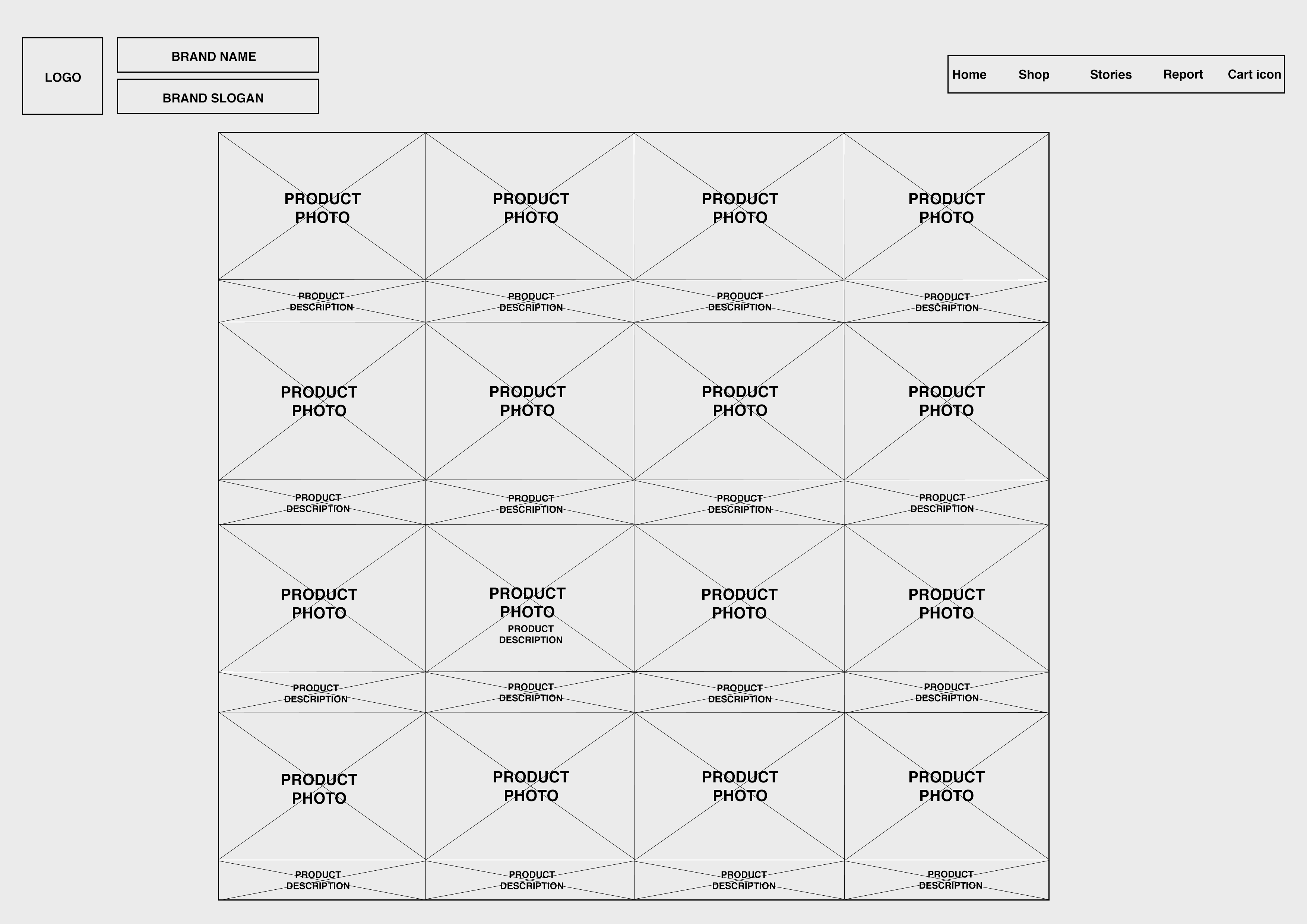
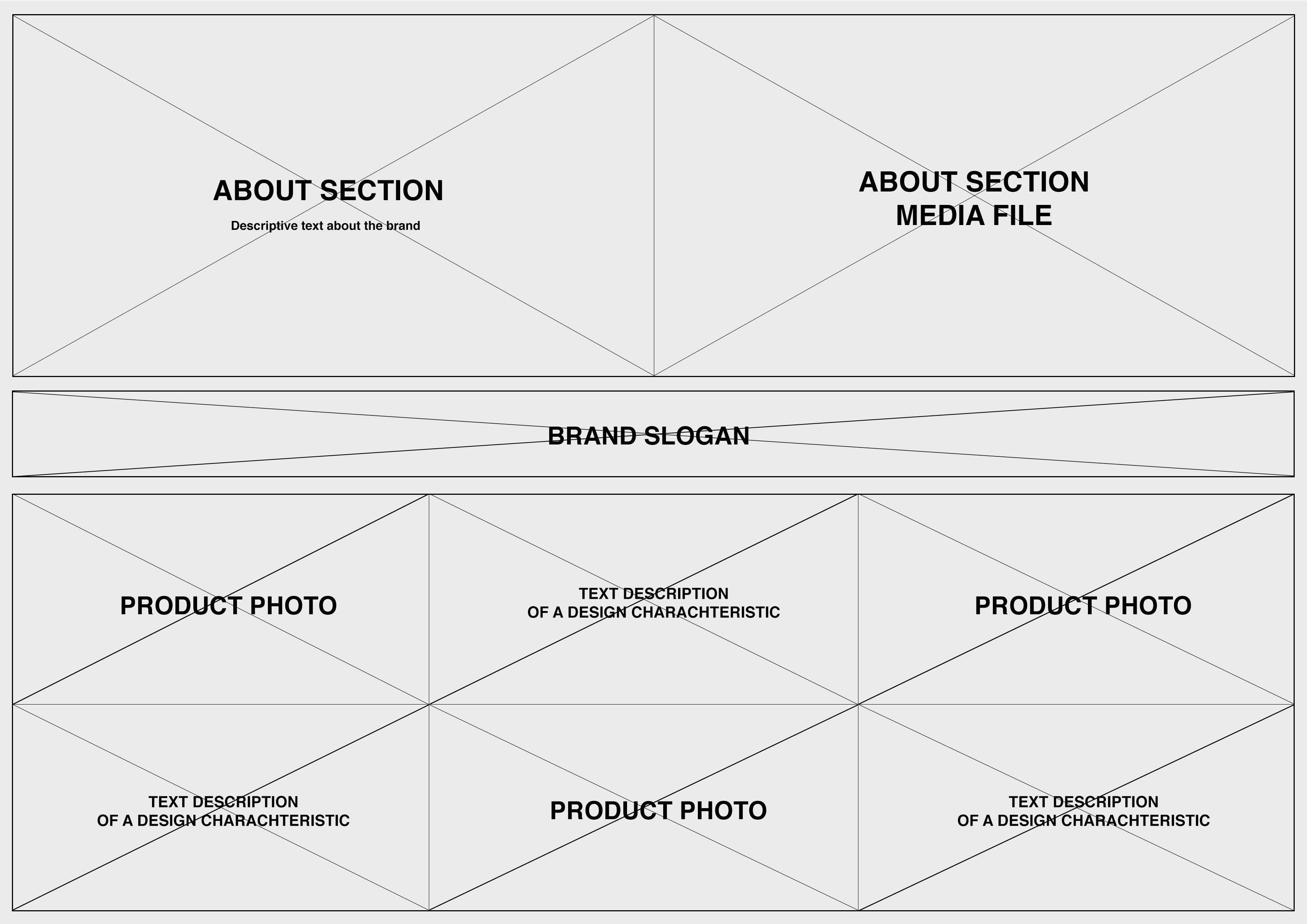
While Monica and Cathrine are prototyping straws from different graphic papers, I am organising the template of the website according to the wireframes. We have decided on a classical approach: landing page with an about section and some design insights, the shop page that displays each straw with the option of quick view or view full product page and a testimonials page.

I have received the photography of all our physical products and I am editing each photo for brightness, cutting background and small details to the scope of making them look unified.

Working with fiction: strawless and strawmore

A straw. Your straw. Lifetime durable, sustainable, fully personalizable to fit your style.​Strawmore allows people to change the way they drink. Sip by sip, drinking your iced vanilla latte will never be the same.

A future world, Dazed Magazine

Strawless

We discussed what type of design materials we could produce and we came down to the decision of creating an online platform where we will showcase a video, informational text and different posters to sustain it.

Design ideas

A person walks into a bar. He has to go through very difficult tasks in order to get to a straw. At the finish line, a person next to him raises his glass and drinks from it. Why need a straw? (video prototype)

The glorification of the straw, the straw is the king. (poster)

A research showed that heavy use of plastic straw can cause face wrinkles. A person drinking from a cup using a straw, with heavy wrinkles already formed. Why need a straw? (poster)Andy Warhol: “I love Los Angeles, and I love Hollywood. They’re beautiful. Everybody’s plastic, but I love plastic. I want to be plastic.“

Changing course

During the third supervision we came to the conclusion that we regarded our digital campaign more as informational with direct references to the existing behaviour of plastic use. Critical design methods used by taking existing issues and exaggerate them through visual methods. However, as this being a speculative design exercise the fictional part was not fully present. In this way, we started to rethink our design materials.

We started to ideate right after the teacher meeting on concepts that could bring value to the straw. I explained to my team mates the ideas that I have discovered in the Speculative Everything book and how we can use these as references.

Strawmore

The straw is the current hype. People personalise them, they don’t want to throw it away, it is an element of value and of personal pride.

We are creating a web shop where people go and purchase their own straw, they personalise it and they can even engrave their own names. It will last forever, you can charge it wirelessly. We even produce straws that will give you no wrinkles. Big fashion brands have their own luxuorious straw. You can buy it on our platform.

We prototyped new straws, but mainly giving them new aesthetically features. We found different patterns and images and we created really beautiful straws. We created our web and we are currently researching into existing ways of showcasing such products.

I have created the wireframes and I am currently updating the website. We will also use heavy fiction in our Stories page: a glimpse into this world; small videos about the people who are buying these new straws, how they look and how they talk. And how they tell you everything about their life with Strawmore.

Speculative design: life below water

Envision 2030: Conserve and sustainably use the oceans, seas and marine resources for sustainable development

Ocean wave under gray sky at daytime in Azores, Portugal

We had our first meeting and after some group organisation, we started our brainstorming on the different UN goals. We decided to choose some personal favourites in which to carry out additional research. Instantly, I was decided on the goal 14 regarding the massive use of plastic that is one of the biggest threats that comes from mass consumption. For a long time now, I have been aware of my own personal contribution to the lowering of plastic use and conscious recycling. All my team members agree on this as being of interest.

Targets

By 2025, prevent and significantly reduce marine pollution of all kinds, in particular from land-based activities, including marine debris and nutrient pollution

By 2020, sustainably manage and protect marine and coastal ecosystems to avoid significant adverse impacts, including by strengthening their resilience, and take action for their restoration in order to achieve healthy and productive oceans

Minimise and address the impacts of ocean acidification, including through enhanced scientific cooperation at all levels

By 2020, effectively regulate harvesting and end overfishing, illegal, unreported and unregulated fishing and destructive fishing practices and implement science-based management plans, in order to restore fish stocks in the shortest time feasible, at least to levels that can produce maximum sustainable yield as determined by their biological characteristics

By 2020, conserve at least 10 per cent of coastal and marine areas, consistent with national and international law and based on the best available scientific information

By 2020, prohibit certain forms of fisheries subsidies which contribute to overcapacity and overfishing, eliminate subsidies that contribute to illegal, unreported and unregulated fishing and refrain from introducing new such subsidies, recognizing that appropriate and effective special and differential treatment for developing and least developed countries should be an integral part of the World Trade Organization fisheries subsidies negotiation

By 2030, increase the economic benefits to Small Island developing States and least developed countries from the sustainable use of marine resources, including through sustainable management of fisheries, aquaculture and tourism

Increase scientific knowledge, develop research capacity and transfer marine technology, taking into account the Intergovernmental Oceanographic Commission Criteria and Guidelines on the Transfer of Marine Technology, in order to improve ocean health and to enhance the contribution of marine biodiversity to the development of developing countries, in particular small island developing States and least developed countries

Provide access for small-scale artisanal fishers to marine resources and markets

Enhance the conservation and sustainable use of oceans and their resources by implementing international law as reflected in UNCLOS, which provides the legal framework for the conservation and sustainable use of oceans and their resources, as recalled in paragraph 158 of The Future We Want

Stories

We had a group discussion about our own experience with plastic use and we argue on the possibilities of this goal for our speculative design. We carried out additional research within the goal for design opportunities and we decided to focus on the use of plastic straws.

Why plastic straws?

In just the U.S. alone, one estimate suggests 500 million straws are used every single day. One study published earlier this year estimated as many as 8.3 billion plastic straws pollute the world’s beaches. Eight million tons of plastic flow into the ocean every year, and straws comprise just 0.025 percent of that

We discussed human agency when receiving a plastic straw in a bar, a restaurant or buying one for single use in public spaces. It is unnecessary, but still people choose to make use of it. It is a topic that deserves attention and presents many design opportunities. Personally, I am thrilled about this as our topic for experimenting with speculative design methods.

Design Fiction

Speculative design did become a big curiosity since the beginning of this course. It holds a beautiful mixture of design skills used to portray traits or behaviours in a highly conceptual manner. It does remember me at times of futurist representations used in movies or magazines in the nineties.

Bernd Hopfengaertner, Belief Systems, 2009

Facial micro expressions last less than a second and are almost impossible to control. They are hard wired to the emotional activity in the brain which can be easily captured using specially developed technological devices. Free will is now in question as the science exposes decision-making as an emotional process rather than a rational one. This ability to read emotions technologically result in a society obsessed with their emotional reactions. Emotions, convictions and beliefs which usually remain hidden, now become a public matter. “Belief systems” is a video scenario about a society that responds to the challenges of modern neuroscience by embracing these technological possibilities to read, evaluate and alter peoples behaviours and emotions.

I came across this conceptual work during my reading about speculative design. Bernd Hopfenganter is a Berlin based artist that uses speculative methods in his works. I was thrilled about his vision and about the means he portrays truths on which speculations about the future are created. Most surely deeply inspirational.

“By imagining the possible, the speculative, the non-existent (to quote an old industrial band: what is, is, what is not, is possible), Art and Design can contribute to a broader discourse in a way that is not accessible by purely analytical means. I’m interested in Design as an interdisciplinary intermediary, placed in-between natural science, engineering, cultural and media theory and everyday-life”

Speculative everything: random notes

Speculative Everything: Design, Fiction, and Social Dreaming

Walter Pichler, TV Helmet (Portable Living Room), 1967. Photograph by georg Mladek.

As Fredric Jameson famously remarked, it is now easier for us to imagine the end of the world than an alternative to capitalism. Yet alternatives are exactly what we need. We need to dream new dreams for the twenty-first century as those of the twentieth century rapidly fade. But what role can design play? When people think of design, most believe it is about problem solving. Even the more expressive forms of design are about solving aesthetic problems. Faced with huge challenges such as overpopulation, water shortages, and climate change, designers feel an overpowering urge to work together to fix them, as though they can be broken down, quantified, and solved. Design’s inherent optimism leaves no alternative but it is becoming clear that many of the challenges we face today are unfixable and that the only way to overcome them is by changing our values, beliefs, attitudes, and behaviour. Although essential most of the time, design’s inbuilt optimism can greatly complicate things, first, as a form of denial that the problems we face are more serious than they appear, and second, by channeling energy and resources into fiddling with the world out there rather than the ideas and attitudes inside our heads that shape the world out there. Rather than giving up altogether, though, there are other possibilities for design: one is to use design as a means of speculating how things could be—speculative design. This form of design thrives on imagination and aims to open up new perspectives on what are sometimes called wicked problems, to create spaces for discussion and debate about alternative ways of being, and to inspire and encourage people’s imaginations to flow freely. Design speculations can act as a catalyst for collectively redefining our relationship to reality.

Keywords: alternatives, dream a new dream, design as problem solving, design as a way to speculate how things could be, new perspectives, alternative ways, design speculations as a catalyst

Four different dimension of speculative design:

Probable

Plausible

Possible

Preferable

Designing for how things could be, conceptual design: “Patrick Stevenson Keating’s The Quantum Parallelograph (2011) is a public engagement prop exploring ideas about quantum physics and multiverses by finding and printing out online information from a user’s “parallel life.” It uses abstraction along with generic technical references to suggest a strange technological device. It is clearly a prop but it sets to work on the imagination very quickly.”

The first conceptual artist, Marchel Duchamp, highlights core features of a conceptual work:

10. Ideas can be works of art; they are in a chain of development that may eventually find some form. All ideas need not be made physical.

13. A work of art may be understood as a conductor from the artist’s mind to the viewer’s. But it may never reach the viewer, or it may never leave the artist’s mind.

17. All ideas are art if they are concerned with art and fall within the conventions of art.

28. once the idea of the piece is established in the artist’s mind and the final form is decided, the process is carried out blindly. There are many side effects that the artist cannot imagine. These may be used as ideas for new works.

31. If an artist uses the same form in a group of works, and changes the material, one would assume the artist’s concept involved the material.

9.The concept and idea are different. The former implies a general direction while the latter is the component. Ideas implement the concept.

Conceptual design as a form of critique:

n. The term critical design coined in the mid nineties at Computer Related Design Research Studio at the Royal College of Art

d. “critical design uses speculative design proposals to challenge narrow assumptions, preconceptions, and givens about the role products play in everyday life.”

Critical design =/ Affirmative design

testimonials of what could be offering alternatives that highlight weaknesses within existing normality involves critical thinking, being skeptical, all good critical design offers an alternative

Google Analytics

Google Merchandise Store

This exercise has as an overall scope the usage and analysis of data derived from Google Analytics, in order to gain and formulate insights related to UX/UI and improve the online store’s revenue.

Insight

Over one year period, the most popular method of accessing Google Merchandise Store, is through organic search, 48.7% of all users directly entering one of the keywords in a search engine. The following most popular methods are direct access 17.5 %, social channels 14.1 % and referral sources with 11.2%. However, over one year period, only an average of 0.50 % of the users using organic search, actually completed a purchase. The highest rate of completed purchases coming from referral sources with an average of 2.00% from this method of access. We suggest focusing the advertisement of the online store mainly on referral sources against social channels that have a low purchasing rate. In addition, we suggest strengthening the existing referral sources as also adding new sources and testing them against access/purchasing rate.

This analysis was based on comparing most commonly used channels over 2017 & 2018 and the percentage of this users that actually completed a purchase, encompassing a total of 1,428,378 users.

Process

I have decided to start by browsing through the online store, without looking at any piece of information from the data. I was initially unsure what aspects to focus on as a few came into my mind. How many customers are female and how many are males? In which part of the world the customers live? Which part of the web shop is mostly accessed by the users?

After careful navigation and understanding the overall flow of the shop, I have decided that it will be most interesting to analyse data related to accessing the online shop. From where do the customers access it? Organic search, paid ads, social channels? In this way, I have worked with the data generated in Acquisition, Overview, selecting “All goals” for Conversion and 2 different time periods: 01.01.17 to 01.01.18 and 01.01.18 to 01.01.19.

I started to look at all the methods a customer accessed the website and I have easily identified most popular. I have decided to add a filter “Made a purchase” in order to identify the rate of customers only accessing the shop against the rate of customers actually completing a purchase.

Initially, I decided to make this analysis over the period of one year, but when adding the mentioned filter, I could access data only for 3 months span. Therefore, I have started to break down the year in 3 months periods and made an average of customers completing a purchase. In this way, it was rather simple to draw on further conclusions.